Dear Colleagues, Dear Friends,

Trauma is the leading cause of death particularly in younger people. The pathway of clinical interventions of patients with multiple injuries is unique and requires the involvement of a variety of medical specialties. The chance of survival and the extent of recovery are highly dependent on the medical care that follows the injury. The speed with which lethal processes are identified and halted makes the difference between life and death, recovery and disability. Time is an independent and cynical challenger of any physician managing multiply injured patients. Thus the adopted approach to this peculiar clinical setting should be based on getting most things right ‘at the first time’ and ‘as soon as possible’.

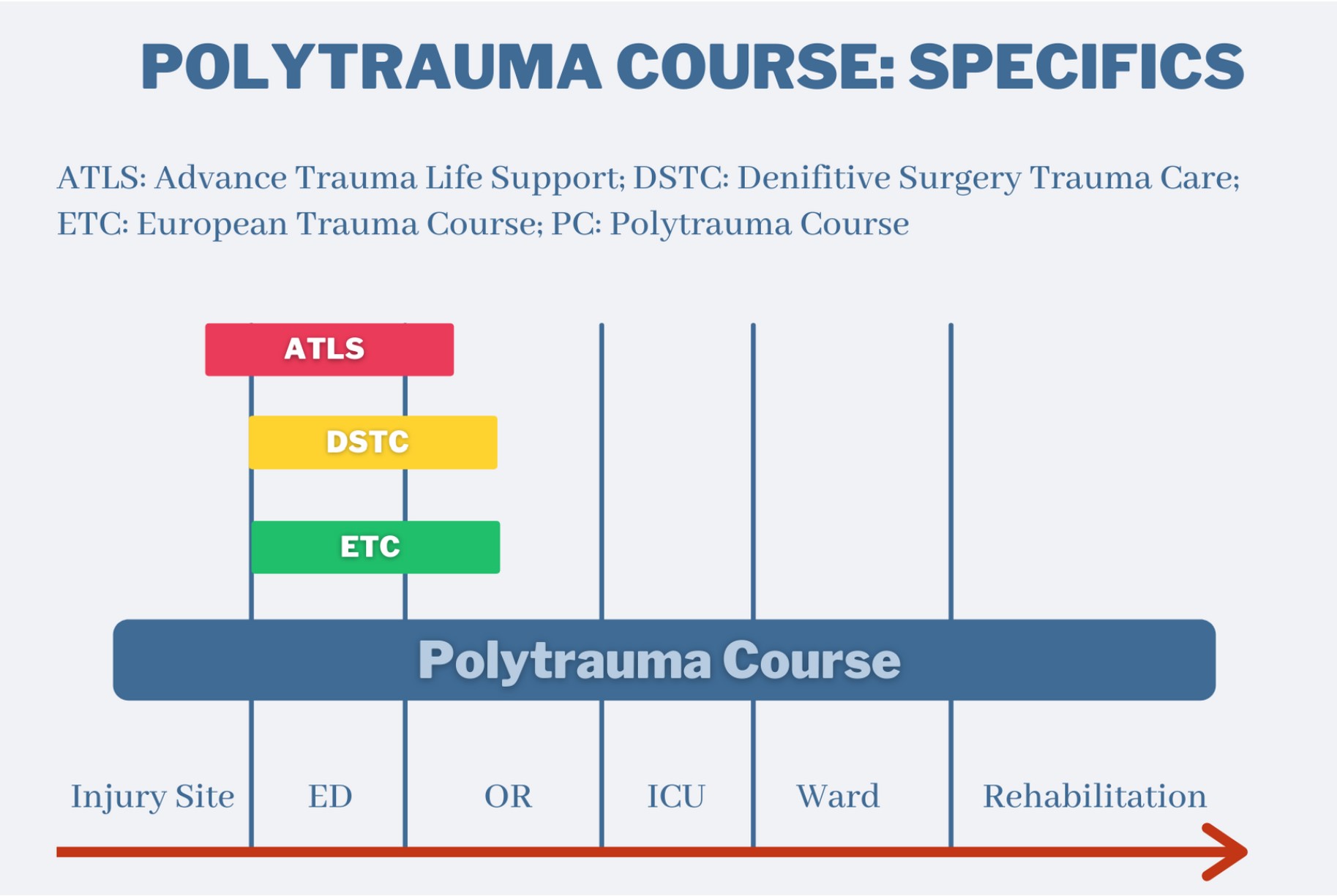
Owing to the inherent imperfections of the human nature of the medical personnel, this approach should be based in simple and practical principles, well organized and standardized. The ATLS protocol of the American College of Surgeons’ Committee on Trauma has been developed in the last 30 years and has become globally established, aiming at assessing and managing the patient during the ‘early hours’ after injury to increase survival. The ATLS course has had a great impact on providing a common language for all clinical staff who initially manage the injured patient. What follows though after the golden hour? What should be the appropriate diagnostic investigations? What should be the treatment strategy? ETC? DCO? What about the choice of implant and the ideal timing of definitive care? There is a real need of developing the ‘post ATLS language’.

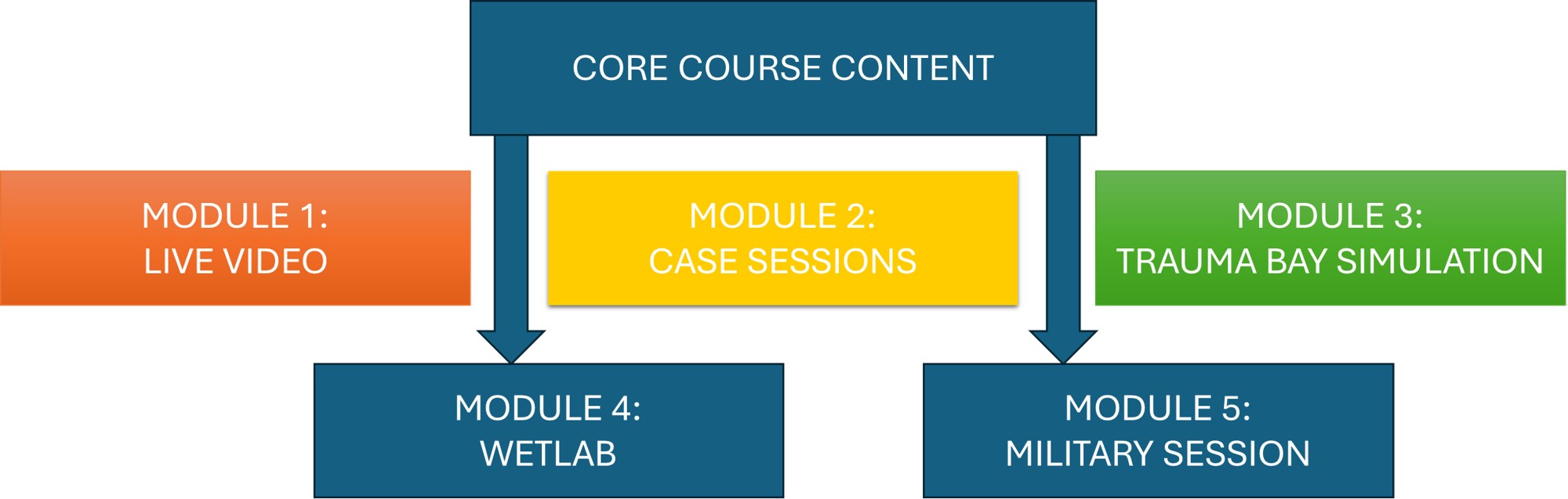
The offering of the ‘Beyond ATLS Course in Istanbul’ is a great opportunity for exposure of all clinicians to an integrated multidisciplinary approach to comprehensive treatment and interaction of all injuries. An international faculty of experts will provide teaching focusing on all the current concepts of the management of patients with multiple injuries after the ATLS care. In addition to lectures, interactive sessions foresee the discussion of clinical scenarios and their optimal management. Moreover, practicals will take place with hands on experience on acute interventional procedures.  

On behalf of the faculty and the organising committee, I am looking forward to seeing you all in Istanbul. I am positive that the ‘1st Polytrauma Course: Beyond ATLS’ will have a great educational success and will benefit the care of many future patients. 


Best wishes.

Yours sincerely

Professor Peter V Giannoudis BSc, MB, MD, FRCS


Why do we decide to organize a polytrauma conference?

Our society, which consists of orthopedic surgeons and especially the ones interested in polytrauma, organizes many discussions, trainings, meetings, courses and seminars to share and disseminate information about orthopedic trauma education.

During evaluating the feedbacks about our educational activities, we found out that there are some controversial topics about polytrauma. There is a considerable amount of interest in polytrauma but there were never enough turnouts in the discussion panels about polytrauma during national congresses and orthopedic meetings.

Traumatology is one of our scientific branches but even us, the orthopedic surgeons think about the work and meetings done by general surgeons when the term “trauma” is mentioned.

What should be the role of us, the orthopedic surgeons in polytrauma (multiple injuries)? What should be the ideal treatment course for the injured who were admitted to the hospital emergency rooms alive by 112 to return these cases back to their normal health?

Nearly 1000 polytrauma cases are reported in a city of 1 million population. Most of these cases are young and active patients and they should be kept alive and go back to their normal lives without any problems. It is reported that 60% of polytrauma cases have orthopedic problems. That’s why the treatment of these cases is very important to us.

There are remarkable studies being done by orthopedic surgeons in Europe and USA about polytrauma.
This subject requires close cooperation between orthopedics and other branches (emergency medicine, general surgery, anesthesia, vascular surgery, brain surgery and urology) but where do we stand on this subject?

In order to evaluate the information from other national communities with the work being done in Turkey about polytrauma and to discuss the current problems, our society with the help of international connections, decided to organize this conference. The success of this conference depends on meeting the expectations of everyone dealing with polytrauma and contributing the team-working culture between different branches.

Your support and contributions to us will define our commitment in organizing such marginal meetings and the continuity of such meetings.

With regards from the organizing committee,

Professor Kemal Aktuđlu
Chairman of Local Organizing Committee

Has been visited 9306 times since 25.04.2011